
PAC STREET’S BACK, ALRIGHT!
Matti Tenney - August 30, 2026

College football hasn’t truly been stable since before the COVID-19 pandemic. Rule changes surrounding Name, Image, and Likeness (NIL) opportunities, the transfer portal, and aggressive conference realignment have left powerhouse programs flying higher than ever. Meanwhile, teams fighting for relevance face a steep uphill climb. While fans could argue for days over where it all started and whose fault it was, the central story of recent West Coast football revolves around the collapse and ambitious reconstruction of the Pac-12.
The conference was the premier home for West Coast college football for over a century, beginning in 1915 as the Pacific Coast Conference. After a few name changes, it became the Pac-8 in 1964, consisting of Oregon, Oregon State, Washington, Washington State, Cal, UCLA, USC, and Stanford. Arizona and Arizona State joined in 1978 to create the Pac-10, and the addition of Colorado and Utah in 2010 completed the Pac-12 legacy. Though expansion talks with Big 12 powerhouses like Oklahoma and Texas ultimately fell through over the years, the conference maintained its status as a major power until everything began to unravel in June 2022.
The downfall accelerated when USC and UCLA announced their departure for the Big Ten starting in the 2024–25 season. Losing the massive Los Angeles media market severely crippled the Pac-12’s bargaining power during media rights negotiations. Already burdened by the struggling, independently distributed Pac-12 Network, the conference turned down an initial offer from ESPN in hopes of securing a larger payout, causing ESPN to walk away entirely. By the 2023 Media Day, Commissioner George Kliavkoff was unable to present a viable deal, prompting Colorado to defect back to the Big 12.
In August 2023, Kliavkoff finally presented a streaming heavy offer from Apple TV, but its guaranteed revenue fell millions below ESPN's original offer. This served as the final breaking point. That same day, Oregon and Washington announced they were joining the Big Ten, while Utah, Arizona, and Arizona State jumped to the Big 12. Shortly after, Cal and Stanford fled to the ACC, leaving only Oregon State and Washington State behind.
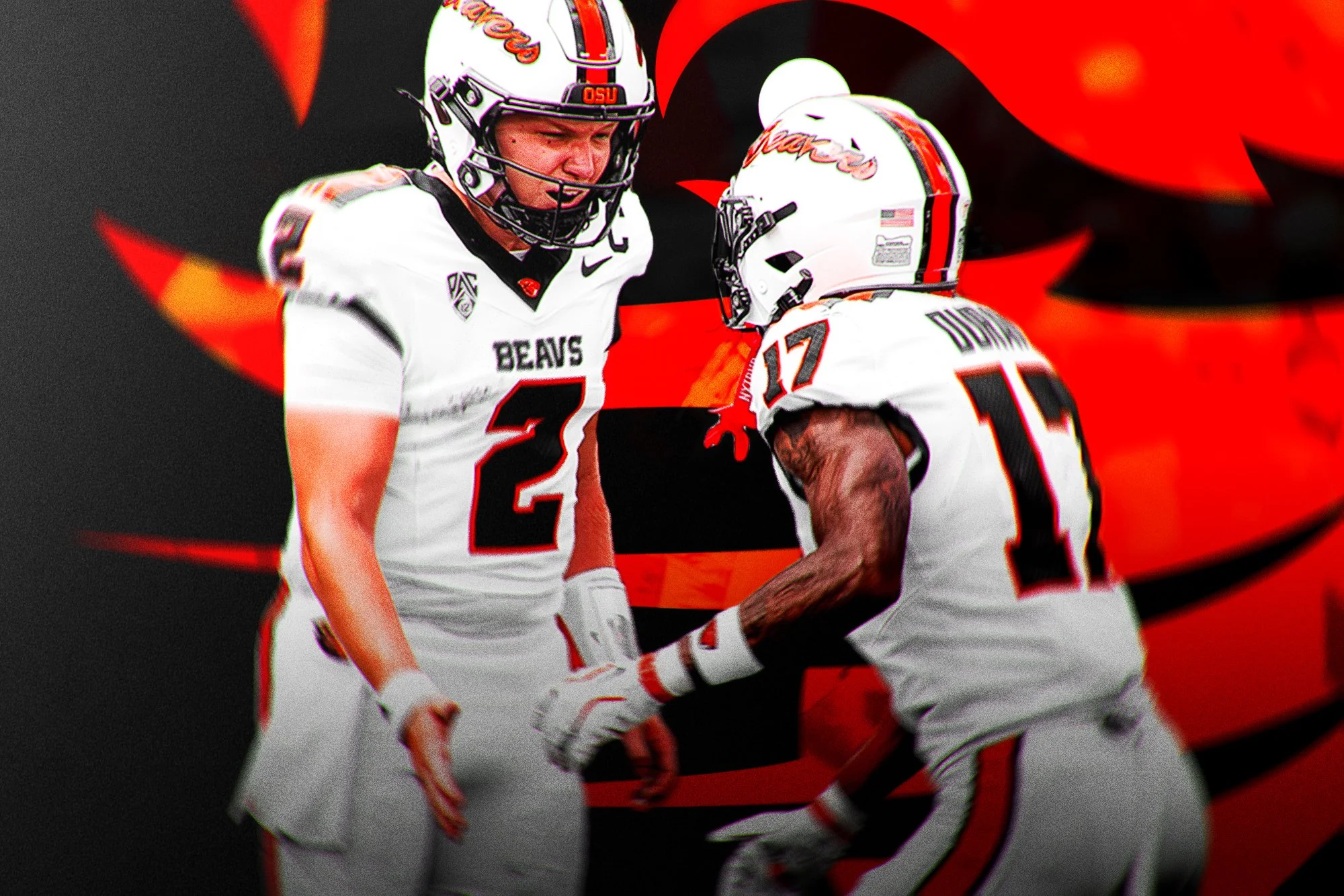
Refusing to let over 100 years of history die, Oregon State and Washington State took full control of the Pac-12 brand and set out to rebuild. Operating as a two-team conference in 2024 and 2025, they filled out their schedules through a scheduling alliance with the Mountain West Conference. Despite anti-poaching clauses and dynamic legal hurdles between the two leagues, the Pac-12 made its move in September 2024 by poaching Boise State, Colorado State, Fresno State, and San Diego State. Utah State joined shortly after, and Texas State later signed on as the crucial eighth member required to meet the NCAA's minimum threshold for FBS conference eligibility.
Legal battles over exit fees, antitrust concerns, and governance rights continue behind the scenes, but the foundation for a reborn Pac-12 is officially set. As a new era of West Coast football begins, fans should remember the rich history of the original conference while keeping an open mind for what lies ahead. With rumors constantly swirling about further expansion, and questions remaining about how long teams like Cal and Stanford can sustain cross country travel, the chaos of realignment isn't over, but the future of the Pac-12 has officially begun.
YOU MIGHT ALSO LIKE



A scary scene from the Colosseum leads to the comeback of Dylan Raiola, as the Ducks ambush the Trojans to take Troy.